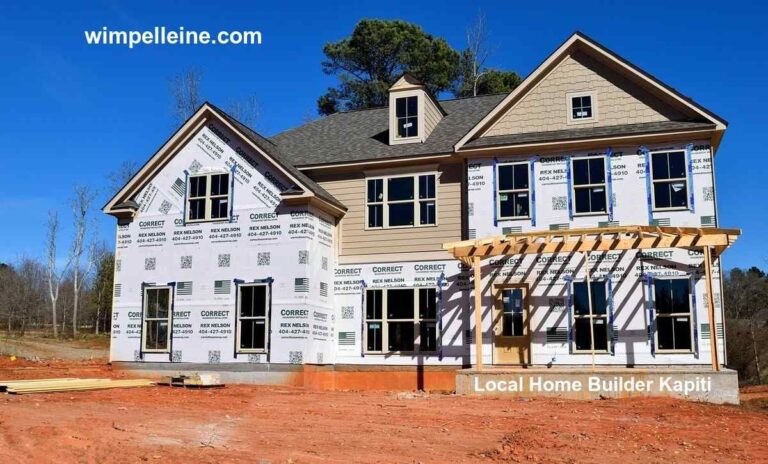


A large transportable home offers a practical way to own a spacious living space without the long wait times of standard construction. These homes are built in sections at a factory and then moved to your chosen site. They provide Room for families, with sizes often reaching 2,000 square feet or more. Many people pick them for their speed, cost savings, and ability to move if needed. This guide covers everything from basics to real examples, helping you decide if a large transportable home fits your needs. (68 words)
Large transportable homes stand out because they combine comfort with mobility. Unlike small trailers, these homes include multiple bedrooms, full kitchens, and living areas. They suit growing families or those wanting extra space for hobbies. Built to last, they use strong materials that handle transport well. If you value a quick setup and lower building costs, this option makes sense for modern living.
What is a Large Transportable Home?
A large transportable home is a type of prefab structure made in a factory setting. It gets assembled in big parts, like modules, and then shipped to the final spot. These homes differ from tiny mobile units by offering more square footage, often over 1,500 square feet. They can have two or more stories in some cases. The design allows for easy movement, but once set up, they feel like a fixed house.
The main feature of a large transportable home is its modular build. Factories create sections indoors, protecting them from weather during construction. This leads to better quality control. When ready, trucks carry the parts to your land, where crews join them. Some models come with wheels or skids for simpler placement. This setup works well for remote areas or places with tough building conditions.
Compared to standard mobile homes, large transportable ones focus on size and strength. They often use durable frames and meet local building rules. Features like full bathrooms and open layouts make them feel roomy. You can add decks or garages later. This type of home appeals to buyers seeking a blend of portability and home-like comfort without giving up space.
Key Features of Large Transportable Homes
One key feature is the flexible layout. These homes can include up to four bedrooms, two bathrooms, and large kitchens. High ceilings and big windows add to the open feel. Materials like steel frames ensure they stay sturdy during moves. Energy-saving elements, such as good insulation, come standard in many models. This helps keep utility bills low year-round.
Another important aspect is the foundation options. You can place them on concrete slabs, piers, or full basements. This choice depends on your land and local laws. Some designs allow for future expansions by adding more modules. Built-in storage and modern appliances make daily life easier. Overall, these features make large transportable homes a smart pick for many lifestyles.
Benefits of Large Transportable Homes
Choosing a large transportable home brings clear cost savings. Building in a factory cuts labor expenses and waste. You often pay less per square foot than for a site-built house. Quick assembly means you move in sooner, avoiding extra rental costs. Over time, these homes hold value well, especially in growing areas.
Speed is a big plus with large transportable homes. Factory work takes weeks, not months. Weather delays don’t happen indoors. Once on site, setup might finish in days. This timeline suits people with tight schedules or those relocating for work. It reduces stress compared to traditional builds that drag on.
Energy efficiency stands out in these homes. Factories install tight seals and good insulation from the start. Many models use eco-friendly materials that lower heating and cooling needs. This leads to smaller utility bills and a lighter impact on the environment. Some even come ready for solar panels or other green tech.
Relocation ease makes large transportable homes appealing. If life changes, you can move the home to new land. This flexibility helps in uncertain times, like job shifts. Unlike fixed houses, these can adapt without starting over. It also means less hassle if you sell and the buyer wants to relocate it.
Quality control improves in factory settings. Workers follow strict standards, checking each part. This reduces errors common in outdoor builds. Homes end up stronger and more consistent. Many come with warranties that cover structure and systems. Buyers get peace of mind knowing their home meets high benchmarks.
Extra Perks for Families
For families, large transportable homes offer plenty of space. Multiple rooms allow kids their own areas, plus spots for play or study. Open designs encourage time together in shared zones. Safety features, like sturdy locks and smoke detectors, come built-in. This setup supports busy family routines without feeling cramped.
These homes often fit well in rural or suburban spots. You can place them on larger lots for privacy. Community options exist too, with shared amenities. This balance suits different preferences. Plus, lower property taxes in some areas add to the financial wins.
How Large Transportable Homes Are Built
Building a large transportable home starts with planning. Designers create blueprints based on your needs. They consider size limits for road transport, like width under 20 feet per section. Factories use these plans to make modules. This step ensures everything fits together later on site.
In the factory, workers assemble frames and walls. They use tools for precise cuts and joins. Plumbing and wiring go in early, tested before closing up. This controlled space avoids rain or wind issues. Teams work on multiple parts at once, speeding the process.
Finishing touches happen indoors too. Cabinets, floors, and paint get added. Quality checks occur at each stage. Once done, modules wrap for protection. This method cuts time by half compared to onsite work. It also minimizes waste through efficient material use.
Steps in Factory Construction
First, the base frame gets built strong to handle moves. Steel or wood beams form the skeleton. Then, walls and roofs attach. Insulation fills gaps for comfort. Windows and doors seal tight. This foundation work sets the tone for durability.
Next, interior systems install. Electric lines run through walls, connected to panels. Pipes for water and waste fit neatly. HVAC units place for even air flow. Testing ensures no leaks or shorts. This phase focuses on function before looks.
Finally, exteriors and interiors complete. Siding protects against elements. Inside, drywall smooths surfaces for painting. Fixtures like sinks and lights add. A final inspection confirms readiness for transport. This thorough build leads to reliable homes.
Customization Options for Large Transportable Homes
Large transportable homes allow many changes to fit your style. Start with floor plans—pick from open concepts or separated rooms. Add extra bedrooms or a home office. Change window sizes for more light. These basics shape how the space works daily.
Interior choices include cabinet styles and counter materials. Select wood types or colors for kitchens. Flooring options range from vinyl to hardwood. Paint walls in your preferred shades. Add built-in shelves or closets for storage. These details make the home feel personal.
Exterior customizations boost curb appeal. Choose siding in brick, stone, or vinyl looks. Roof pitches and colors vary. Add porches or decks for outdoor space. Garage attachments are possible. These features help the home blend with neighbors.
Advanced Personal Touches
For tech lovers, add smart home systems. Wire for voice controls or security cameras. Energy upgrades like better windows save money. Include ramps or wide doors for accessibility. These options cater to specific needs without big extra costs.
Kitchen and bath customizations shine here. Pick appliances in stainless or black. Add islands for cooking space. Bathrooms can have double sinks or tubs. Tile patterns personalize floors and walls. This level of detail turns a standard home into your dream spot.
The Process of Transporting and Installing a Large Transportable Home
Transporting starts with route planning. Check roads for width and height limits. Get permits for oversize loads. Trucks with special trailers carry modules. Cranes lift them if needed. This step requires pros to avoid damage.
On site, prepare the foundation first. Level the ground and pour concrete or set piers. Modules arrive and get placed. Crews connect sections with bolts and seals. This assembly takes a few days. Utilities hook up last.
Installation includes final checks. Inspect joins for leaks. Test plumbing and power. Add skirting around the base. Landscaping finishes the look. This process ensures the home sits secure and ready to live in.
Handling Challenges During Move
Weather can affect transport. Plan for dry days to protect parts. Traffic routes avoid tight turns. For long distances, split trips. Safety gear like escorts helps. These measures keep everything smooth.
Site access matters too. Clear paths for trucks. Remove trees or fences if needed. Coordinate with local officials for road use. Good planning cuts risks and delays.
Cost Considerations for Large Transportable Homes
Base costs for large transportable homes range from $80 to $160 per square foot. For a 2,000-square-foot home, expect $160,000 to $320,000. This includes factory build and basic setup. Land and foundation add more.
Transport fees depend on distance. Local moves cost $3,000 to $5,000. Longer hauls reach $10,000 or higher. Permits and escorts add up. Site prep like utilities can be $10,000 to $20,000.
Custom features raise prices. Upgraded kitchens or baths add $5,000 to $15,000. Energy tech like solar costs extra. Financing options help spread payments. Compare quotes to find deals.
Ways to Save Money
Pick standard plans over full custom to cut costs. Buy during off-seasons for discounts. Handle some site work yourself if skilled. These steps keep budgets in check.
Long-term savings come from low maintenance. Efficient designs lower bills. Good warranties cover repairs. This makes the total ownership cost competitive.
Legal and Regulatory Aspects
Local zoning rules dictate where you can place a large transportable home. Some areas limit them to certain zones. Check with city planners early. Building codes must match state standards.
Permits are key for transport and setup. Get approvals for oversize moves. Inspections ensure safety after install. Follow HUD or local codes for construction.
Size limits apply in some places. Homes over 400 square feet may need extra rules. Utility connections require licensed workers. Know these to avoid fines.
State-Specific Rules
In Florida, for example, transportable homes follow specific codes. They can’t exceed certain widths on roads. Parks have separation rules. Research your state’s laws.
Maintenance and Longevity of Large Transportable Homes
Regular checks keep large transportable homes in top shape. Inspect the foundation yearly for shifts. Clean gutters to prevent water issues. Seal windows and doors against drafts. These tasks extend life.
Roof care is crucial. Look for damage after storms. Reseal edges every few years. Inside, change HVAC filters monthly. This maintains air quality and efficiency.
Exterior maintenance includes washing siding. Check for pests under the home. Paint as needed. With proper care, these homes last 30 years or more.
Seasonal Tips
In winter, insulate pipes to avoid freezes. Summer means checking AC units. Year-round, monitor for moisture to prevent mold. Simple habits ensure longevity.
Large Transportable Homes vs. Traditional Homes
Large transportable homes build faster than traditional ones. Factory work skips weather delays. Traditional builds take months onsite. This speed saves time and money.
Costs favor transportable options. They often run 20% less due to efficiency. Traditional homes face higher labor bills. However, transportable ones may have size caps.
Quality can match or exceed. Factory controls ensure consistency. Traditional builds vary by crew. Both last long with care, but transportable ones relocate easier.
Which to Choose?
If you want custom details without limits, go traditional. For quick, affordable space, pick transportable. Consider your timeline and budget.
Real-Life Examples of Large Transportable Homes
One example is a 2,280-square-foot model with four bedrooms. It features open living areas and modern kitchens. Families love the space for daily life.
Another is a ranch-style home at 1,652 square feet. It includes three bedrooms and flexible rooms. Easy to customize, it suits various needs.
A portable model on sleds offers unique mobility. It moves to new spots easily. Compact yet spacious inside, it’s great for changing locations.
Conclusion
Large transportable homes provide a solid choice for affordable, spacious living. They offer benefits like quick builds and customization. With proper planning, they meet legal needs and last long. Compare them to traditional options to see what works best. This guide gives you the tools to make a smart decision.